
Stella & Marigold: Mermaids and Mix-Ups – written by. Annie Barrows, illustrated by Sophie Blackall
Chronicle Books, 2025

The second volume in Annie Barrows and Sophie Blackall’s series about an unforgettable pair of sisters continues their adventures, and the development of their relationship. Stella & Marigold established that their closeness, characterized by both unrelenting love and occasional friction, was as believably narrated as Beverly Cleary’s Ramona books (astute readers of my blog will recognize that its title derives from a quote in Ramona the Brave.) The outward similarities between the two series are not superficial, but rather are based on the way which both sets of books communicate how it feels to be a child, without a touch of condescension. Both also invite adults to identify with characters, whether by remembering their childhood or following along as Stella and Marigold’s parents, teachers, and grownup friends, who also propel the plot. (I reviewed the first Stella & Marigold book here.)
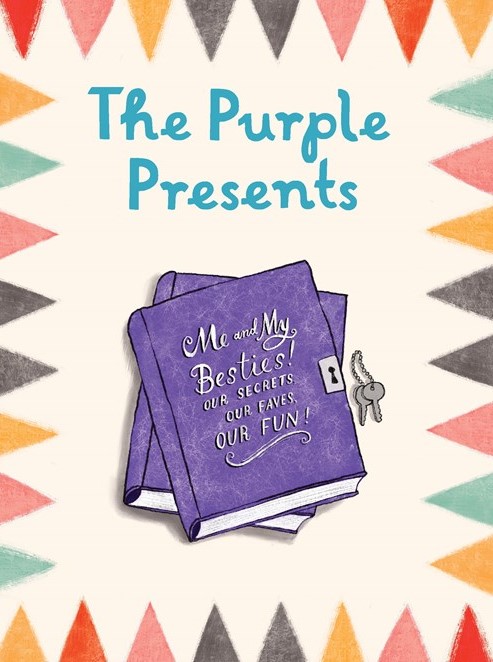
Each chapter may be read independently, but are interconnected. The book begins with a gift which the sisters receive from their Aunt Judy. Like many of her gifts, this one turns out to be a Trojan horse. A sparkly purple covered diary with high-pressure demand to record “Me and My Besties! Our Secrets, Our Faves, Our Fun!” sets Stella and Marigold on a series of attempts to find friends worthy to fill in the blanks. Even though this involves some distress, it eventually leads to an understanding of friendship and empathy, minus the high-stakes categories.
In “Snow, Snow, Snow!” Stella tries to win the friendship of a classmate by using mind control to ensure a snowstorm. When their teacher, Mr. Banagal, intends to dissuade the children by calling this “magical thinking,” Barrows reveals how differently adults and children sometimes interpret reality. His phrase has the opposite result. After all, what else could magical thinking be but “encouraging?” Adults will read this passage with recognition, but not a sense of superiority unless they don’t remember what it felt like to fruitfully “misinterpret” adult’s language. Barrows does employ a little bit of gentle humor at adults’ expense when Teacher Kaitlin carefully avoids direct praise of Marigold’s artwork, instead focusing on one quality:
“Wow, your picture is so detailed”…She always said things like that. Never, “Your picture is great…the best I ever saw.”
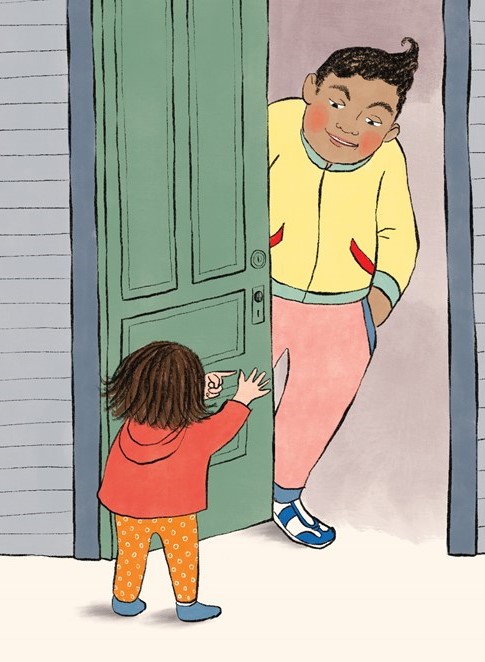
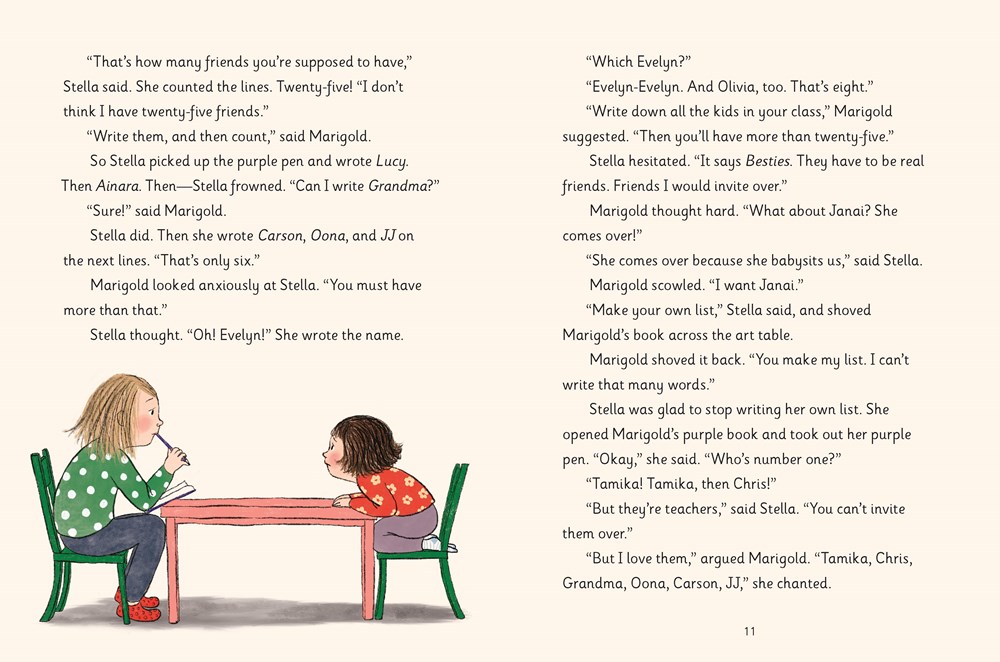
Blackall’s pictures feature her ability to convey a character’s feelings with slight alterations of their features. (I reviewed another of her books here.) A range of crayon-box colors, and careful composition of images against white background, give every page of the book its own impact. Stella and Marigold sit across from one another at a table, as they collaborate on coping with the diary. Marigold desperately tries to get her father’s attention when he is absorbed in his work; his temporary rejection leaves her curled into a question mark, embodying her feelings about why his priorities would be so misplaced.
There are so many series about girls and their friendships; many of these are terrific. Stella & Marigold fits securely into the category of classic.
 Imaginary Elevators