
Audrey Hepburn: An Illustrated Biography – written by Eileen Hofer, illustrated by Christopher Longé, translated from the French by Christopher Bradley
Abrams ComicArts, 2025
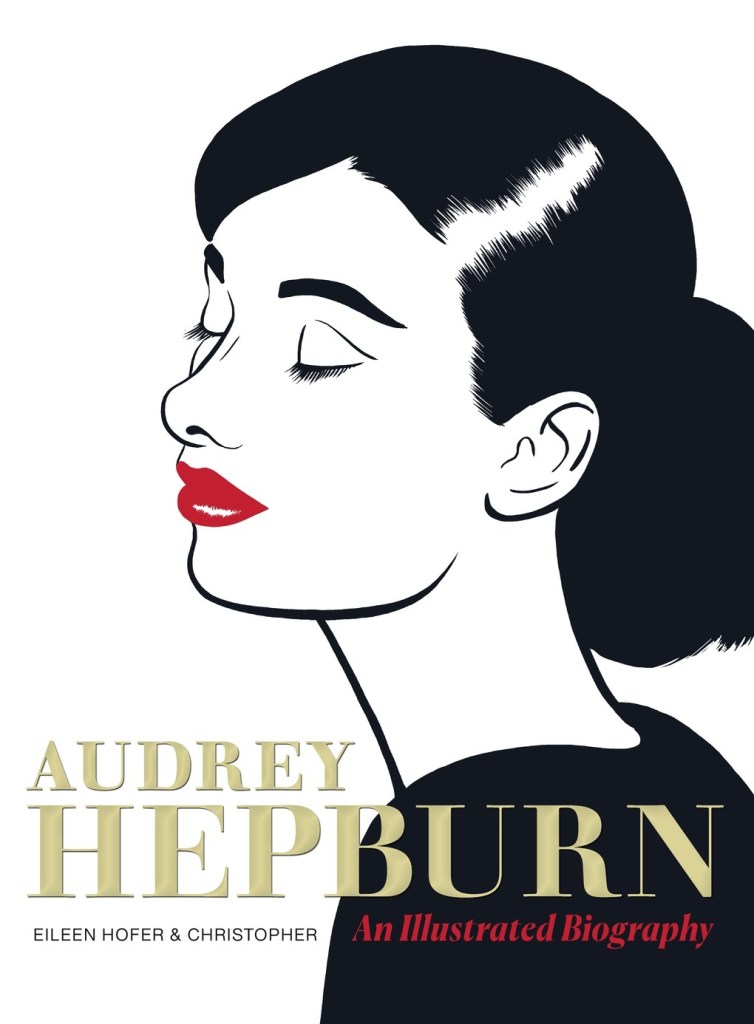
The subject of Eileen Hofer and Christopher Longé’s meticulously thorough graphic biography is portrayed as embodying the trait know as imposter syndrome. This incredibly gifted actress, stunningly beautiful woman, devoted mother, and tireless humanitarian actress was not convinced that she deserved any of those accolades. While not an uncommon human problem, in general, it may be less prevalent in those who achieved her phenomenal level of success. One of the many outstanding feature of this book, which is actually aimed at an adult audience but is completely appropriate for young adult readers (there have been several picture-book biographies of Audrey for younger readers, such as the ones I reviewed here and here and here and here) is its unassuming, but convincing, tone. Laying out the facts of Hepburn’s life, from her childhood in war-torn Europe to her death (1929-1993.) Every vignette and conversation included supports a consistent interpretation, while leaving room for the always unanswered questions about any life.

Author and illustrator avoid melodrama in chronicling the painful nature of Hepburn’s early life. Her British father, Joseph Ruston Hepburn, was something of a manipulative con artist who saw marriage to her Dutch aristocrat mother, Ella van Heemstra, as a route to social and financial success. Worse, he was an ardent supporter of fascism; Hepburn’s mother, for a time, joined him in his alliance with this brutal movement. Hofer pays careful attention to part of Hepburn’s history, including Dutch collaboration and virulent antisemitism. Her participation in resistance activities is placed in context, existing alongside her ambition to become a ballet dancer.
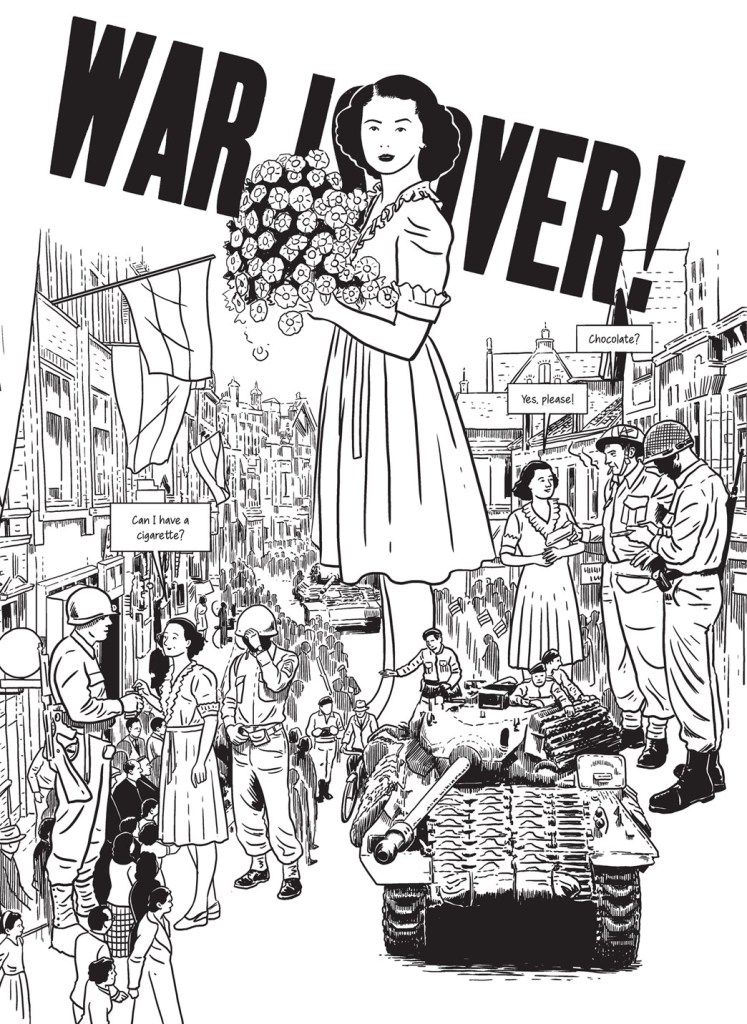
After the war, Hepburn continued to study ballet, but the interruption in her training, and her tall height, closed off that field to her. Throughout her life she expressed disappointment about this turn of events, which seem also to have sensitized her to a sense of failure. But ballet’s loss was an unparalleled gain to theater and film. From bit parts in The Lavender Hill Mob and Monte Carlo Baby, she went on to the starring role on the stage in Colette’s Gigi and the movies that have become indelibly identified with her legacy. Hofer and Longé approach both analytically and lyrically, this timeless series of images of Hepburn’s dramatic transformations, in Sabrina, My Fair Lady, Breakfast at Tiffany’s, How to Steal a Million, Two for the Road, and more.
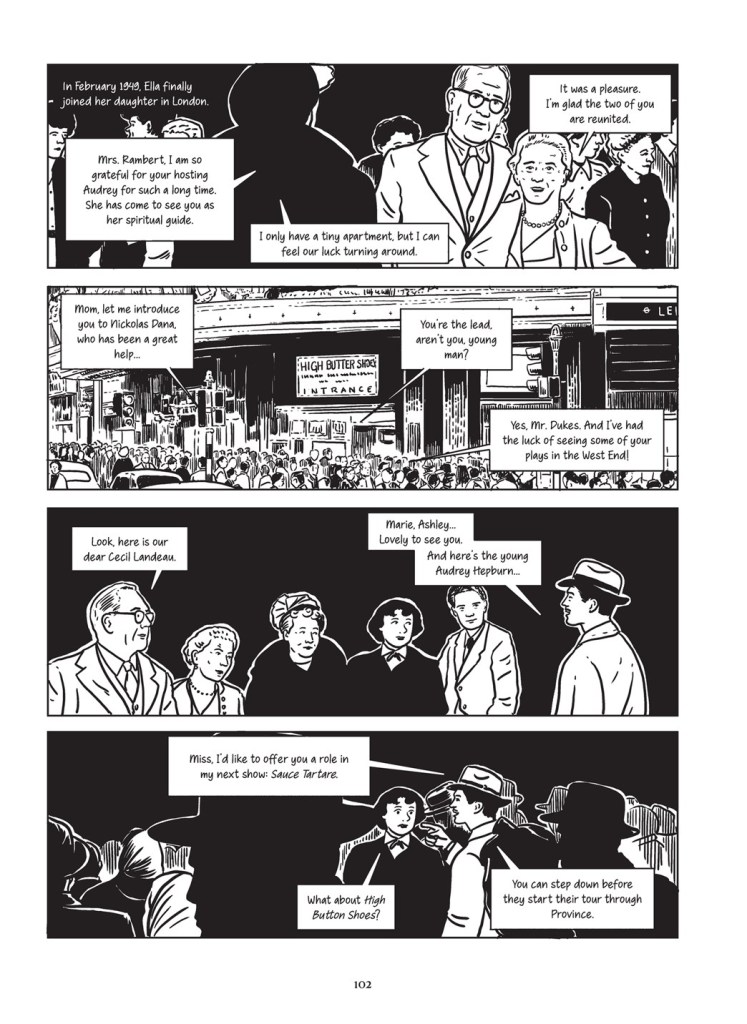
Longé’s illustrations assume a particular vision of Hepburn and those who shared her life. Rather than photographic realism, they combine different aspects of her character and experience to create a believable image. Neither Hepburn, her parents, her husbands, nor her directors and co-stars look exactly as readers may remember them. Instead, with minimalist strokes in black ink he captures the essence of who they were and how they behaved. Ultimately, her father’s calculating oppressiveness, husband Mel Ferrer’s controlling nature, and second husband Andrea Dotti’s duplicity, all unfold in a balanced vision. There is almost a resigned sense of people’s imperfections in the book, making Hepburn’s commitments seem even more worthy of wonder. Even if you have read other books about Audrey Hepburn, this one deserves careful attention. If the young adult readers in your life are unfamiliar with her life, here is an opportunity to correct that unfortunate gap.
 Imaginary Elevators