
Red River Rose – Carole Lindstrom
Bloomsbury Children’s Books, 2026
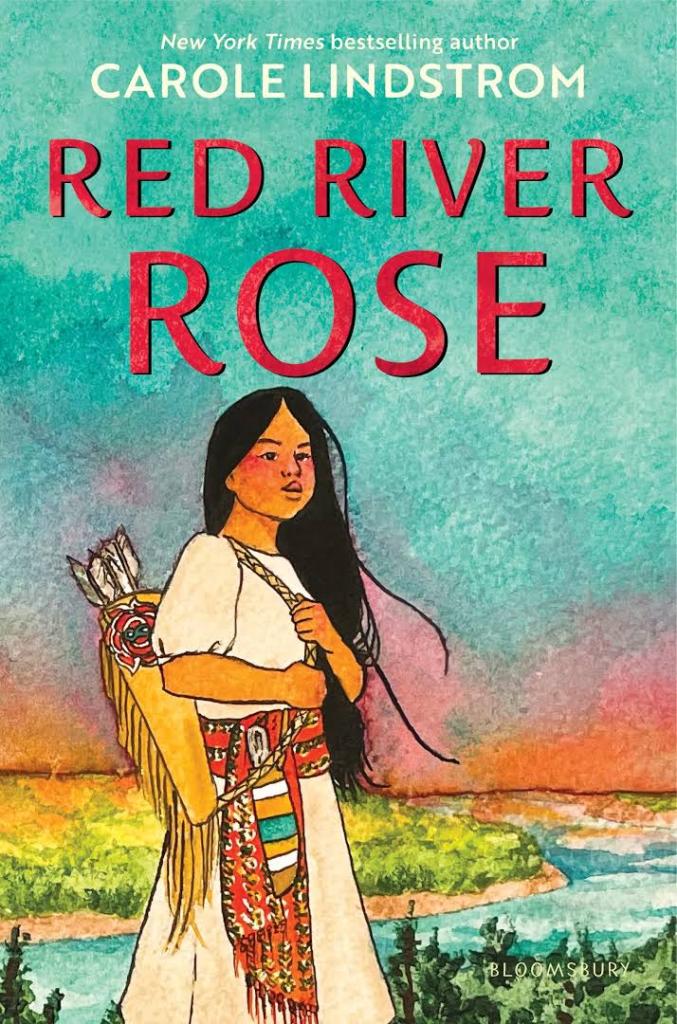
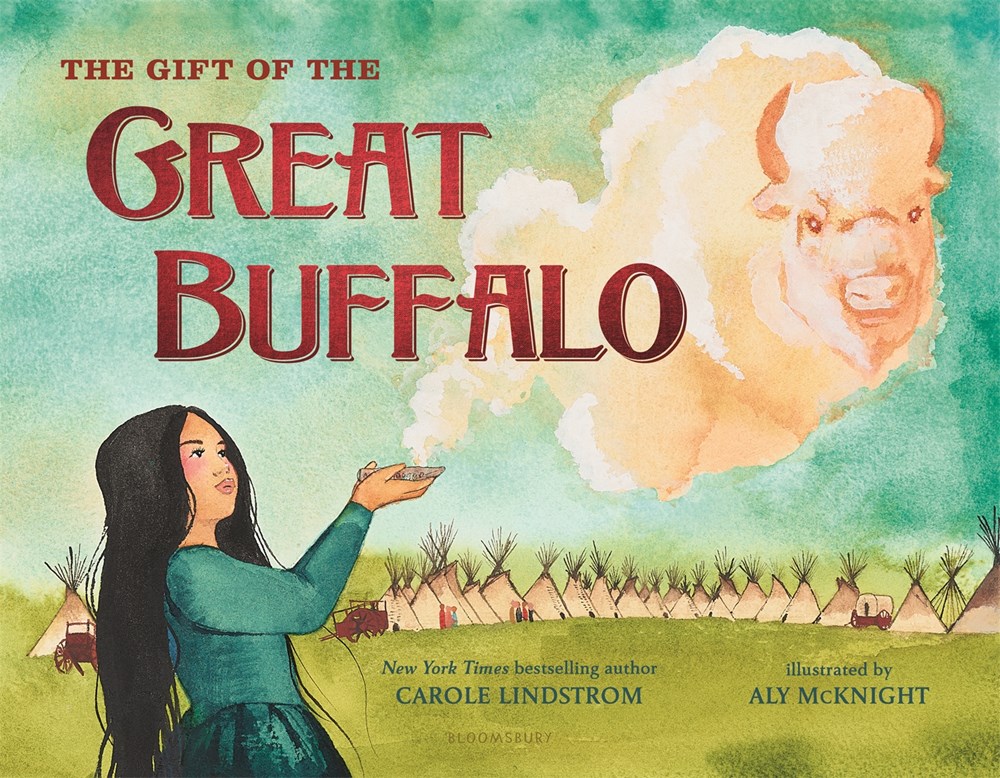
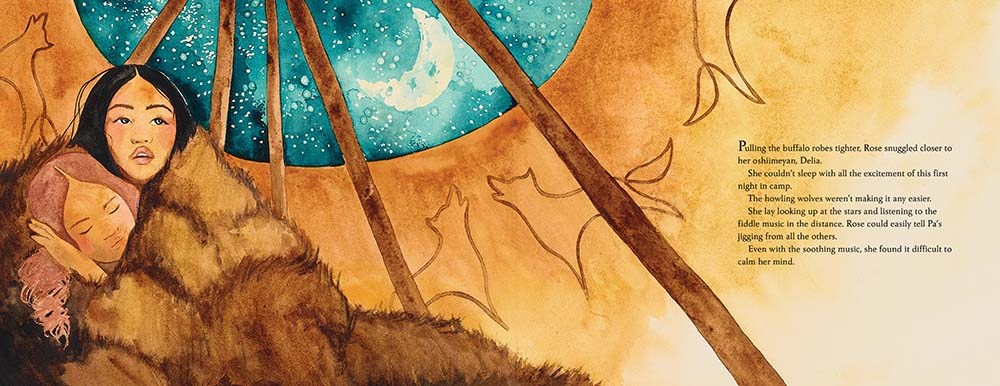
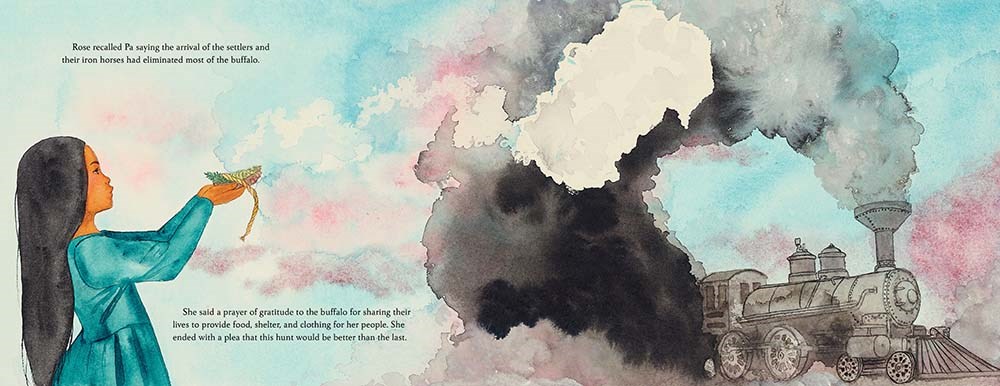
In Red River Rose, Carole Lindstrom further develops the characters she presented in her picture book with Aly McNight, The Gift of the Great Buffalo. As Lindstrom explains in her author’s note, Rose’s story is rooted in a commitment to telling a story related to Laura Ingalls Wilder’s Little House books, from an indigenous perspective. Lindstrom’s work is not a refutation of Wilder’s, but her own, original, interpretation of the conflicts between settlers of European origin and the original inhabitants of lands in the Americas. Red River Rose is set during the late 19th century, specifically the North-West Resistance in Saskatchewan of 1885. At that time, First Nations and Métis peoples fought the Canadian government’s seizure of their lands.
Lindstrom’s distinctive narrative style is compelling. Her characters are individuals, not archetypes. Rose frequently refers to the moral ambiguities inherent in her choices, including that of armed resistance. Her father is courageous, particularly in comparison to other men in the community, and to Catholic clergy, who caution against resistance and advocate a passive acceptance of the Métis’s seemingly hopeless determination to reclaim their land. Rose’s mother is equally strong, holding her family together through deep love and a command of essential domestic skills.
Rose visualizes the beauty of her land and community, and Lindstrom’s poetic language communicates to readers the roots of the Métis’ intense identification with their home. “Rose wanted to burn the memory of the ferry sitting atop the sparkling water and the hawks soaring off in the distance into her brain forever. If she were a painter, she knew exactly what she would paint.” That identification allows her to counter the contempt of teachers or religious leaders who warn against the Métis’s struggle, warning Rose to “keep that talk at home” when she raises the possibility of fighting against oppression.
Ambroise, a boy Rose’s age, is her companion and equal; the two work together to devise plans that will support those adults who will fight against the government. Eventually, Rose assumes an active role herself, forced by circumstances to blur the boundaries between childhood and adulthood. Rose is highly intelligent; nothing in her character suggests duplicity, but she learns to use every skill necessary to acquire information, communicate it to others, and make her own decisions. Her father’s increasing trust in Rose affirms her choices, as when she remembers having supported her people by helping to locate a herd of buffalo. At that time, her father’s response was a complex mixture of anger at the risks Rose had taken, and gratitude for her bravery.
That conflicted response takes form in Rose’s consciousness. Her father reports the Métis battle against the Canadian Mounted Police, characterizing the fight as “a thing of beauty.” At the same time, Rose experiences grief for everyone’s losses, even for the Police and their families. She also recognizes the potential for change, as when “mean girl” Melanie, who had shown only contempt for the idea of resistance, begins to seem like a different person. The impact of fear and suffering had brought out aspects of her character that Rose had never seen. “Under different circumstances, she could learn to like Melanie.”
Victory has different forms. Although they did not achieve their ultimate goal, Rose, her family, and her community had the integrity to stand up “for themselves, for their homes, and for their way of life.” Red River Rose is not a story of glorious triumph, but of the refusal of individuals working together to protect what they love, and to sustain their vision of justice.


 Imaginary Elevators